
Timber Uses
Larch for Cladding: A Practical Comparison with Cedar and Treated Pine
September 28, 2026
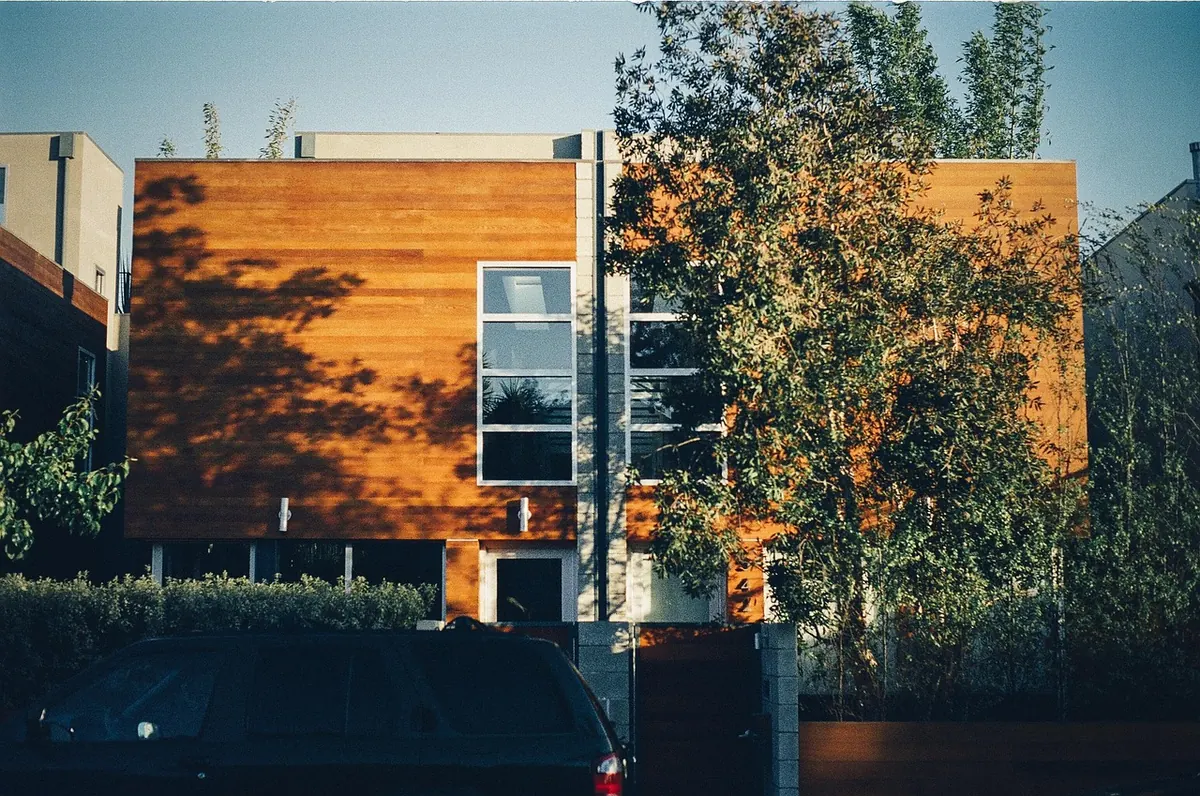
Larch has quietly become one of the most specified cladding timbers in Britain. Walk through any new housing development, school extension or self-build and you will see it: warm honey tones on the day it goes up, fading to a soft silver-grey within a couple of years. It is grown here, it looks good, and it costs less than the timber it most resembles. But is it actually the right choice for your project? The honest answer depends on how you weigh durability against budget, and how much upkeep you are prepared to do.
Here is how larch stacks up against the two alternatives most people consider: western red cedar and pressure-treated pine.
What each timber actually is
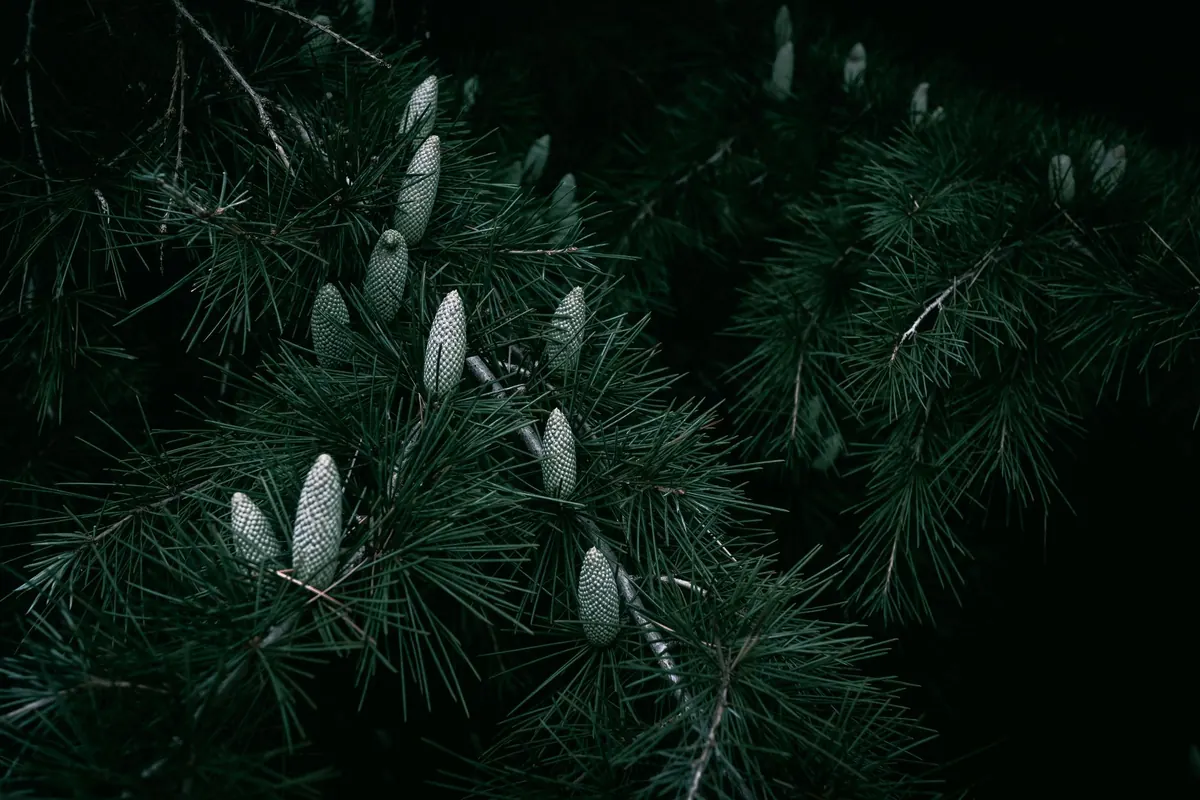
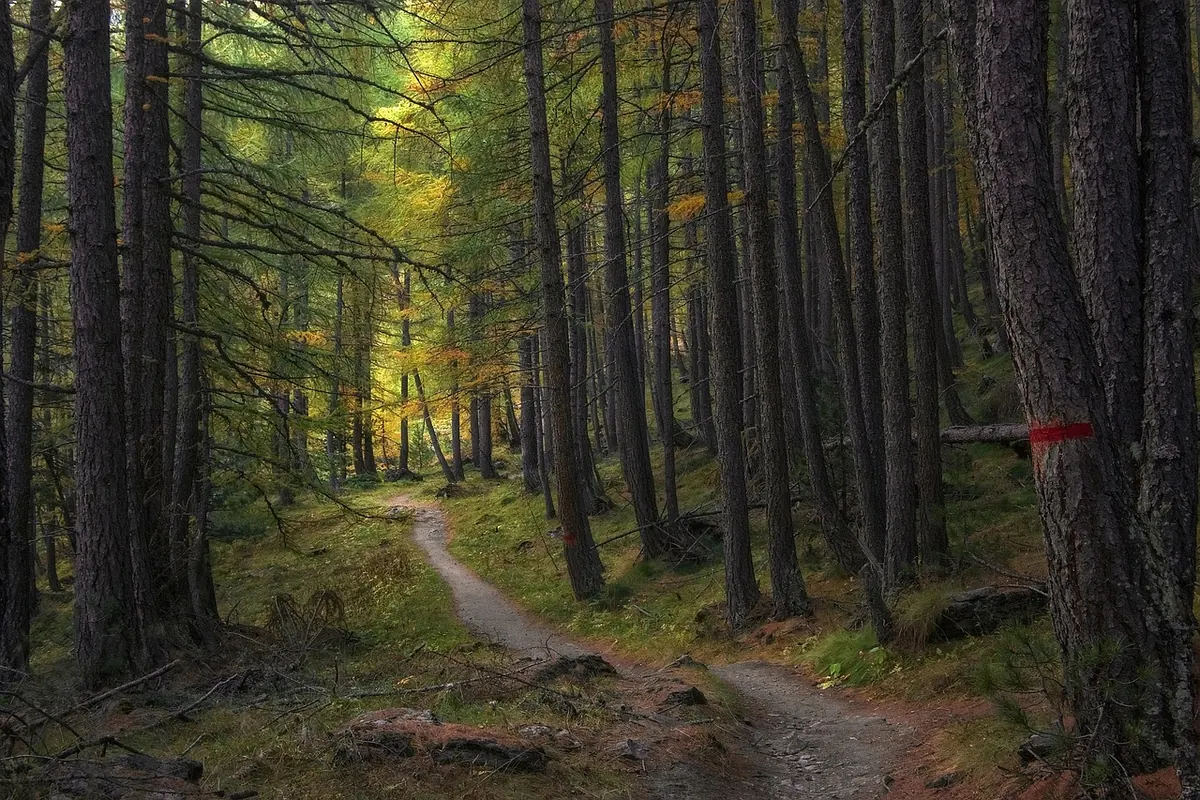
Most larch cladding sold in the UK is European larch, Larix decidua, often sourced from Britain, Scandinavia or the Baltic. It is a softwood, but a dense and resinous one, and unlike most conifers it drops its needles in winter. That slow growth in cold conditions produces tight grain and reasonable natural durability in the heartwood.
Western red cedar is a North American softwood with a well-earned reputation for resisting rot. It is lighter, more stable and more fragrant than larch, and its extractives make it naturally resistant without any treatment.
Pressure-treated pine is usually Scots or redwood pine that has been impregnated with preservative in a vacuum-pressure cylinder. On its own, untreated pine is not durable outdoors; the treatment is what keeps it alive.
Durability: how long will each last?
Durability ratings for timber refer to the heartwood only. Sapwood, the pale outer band, is not durable in any species and should be excluded or treated.
European larch heartwood sits in the moderately durable bracket. Cladding boards kept dry, well ventilated and off the ground will typically give decades of service. The catch is that larch is more variable than cedar. British-grown larch in particular can be quite knotty, and knots and resin pockets are where decay usually begins. If your supplier cannot tell you whether the boards are heartwood-rich or mixed with sapwood, assume the worst and design accordingly.
Cedar is the most durable of the three without any chemical help. It also holds its shape best, which matters more than people expect: boards that cup and twist open gaps, let water in and shorten the life of the whole facade.
Treated pine is durable if the treatment is right. Look for timber treated to Use Class 3 (exterior, above ground) as a minimum, with the preservative penetrating the sapwood rather than sitting on the surface. Cut ends and any drilling or notching must be re-treated with a brush-on preservative, because you have just exposed untreated timber. Done properly, treated pine cladding performs well. Done cheaply, it can fail within a decade.
Cost: where the money goes
Larch generally sits in the middle. It is meaningfully cheaper than cedar, which has to be imported and carries the price tag to match, and more expensive than treated pine. But the board price is only part of the story.
- Fixing and battens. Stainless steel or hot-dip galvanised fixings are essential with all three. Larch and cedar are acidic enough to corrode ordinary screws, and the resulting rust stains are almost impossible to remove.
- Wastage. Knotty larch means more offcuts. Budget 10–15% wastage rather than the 5% you might allow for cedar.
- Finishing. If you want to keep colour rather than let the timber grey, you are committing to a finish regime whichever species you choose.
- Replacement. Cheap cladding that fails at year twelve is not cheaper than good cladding that lasts thirty.
If your budget is tight but the design is flexible, treated pine with a good coating system is a legitimate route. If the cladding is going somewhere hard to access, pay for cedar or a high-grade larch and treat the decision as insurance.
Weathering: what it will look like in five years
All three timbers weather to grey if left untreated, but they get there differently.
Fresh larch is a warm orange-brown, and it loses that colour fairly quickly. It also leaches extractives in the first few months, which can leave brown streaks down pale render, stone or paving below it. Plan for that: keep a good drip edge, and do not run larch cladding directly above a light-coloured surface you care about without thinking about runoff.
Cedar starts a rich reddish-brown and silvers more evenly, with less streaking. It also tends to weather more gracefully because it moves less.
Treated pine arrives either green-tinted from the treatment or pre-primed, and it is the least attractive of the three as a bare board. Coated, it can look excellent, but coating failure shows up as patchy flaking rather than an even silvering.
A note on orientation
South and west elevations take the worst of UK wind-driven rain, and they will always weather fastest. A vertical board-on-board arrangement sheds water better than a flat horizontal one, and a ventilated cavity behind the cladding is not optional — it is what allows the timber to dry after a soaking. Get the detailing right and you buy years of life from any of these species.
Maintenance: the real difference between the three
If you are content with silver-grey, maintenance for all three is limited to an occasional clean and a check of fixings. Cedar needs the least attention. Larch needs slightly more, mainly because knots can loosen and should be monitored. Treated pine needs the most, because the preservative protects against rot but does nothing for surface checking and splitting.
If you want to keep the colour, the regime is broadly similar: a UV-resistant oil or stain, applied to dry timber, typically every two to three years depending on exposure. Cedar and larch take penetrating finishes well. Pine is better served by a microporous coating that lets moisture escape.
A few practical points that save trouble later:
- Let boards acclimatise on site, under cover and off the ground, for a week or so before fixing.
- Seal cut ends with end-grain preservative, even on cedar.
- Do not butt boards tightly. Allow for movement.
- Keep the bottom edge of the cladding at least 150mm clear of the ground and any paving.
- Back-prime or back-coat boards if the manufacturer recommends it — it reduces movement and cupping.
Choosing between them
Pick larch if you want a home-grown timber, a natural silvered finish and a sensible compromise between price and performance, and you are willing to sort your boards carefully and accept some knots. Pick cedar if longevity and stability matter more than cost, particularly on exposed elevations or where access for repairs is awkward. Pick treated pine if budget leads and you are prepared to keep up with a coating system.
Whichever you choose, buy from a supplier who will tell you the species, the origin and the durability of the heartwood, and who can show you the treatment certificate for pine. Ask to see a sample board that has been outside for a year. Then spend your care on the details — ventilation, flashing, fixings and clearance — because that is what decides whether your cladding looks good in fifteen years or needs replacing.
Photo: StockSnap / Pixabay
Related posts
More stories you’ll love reading